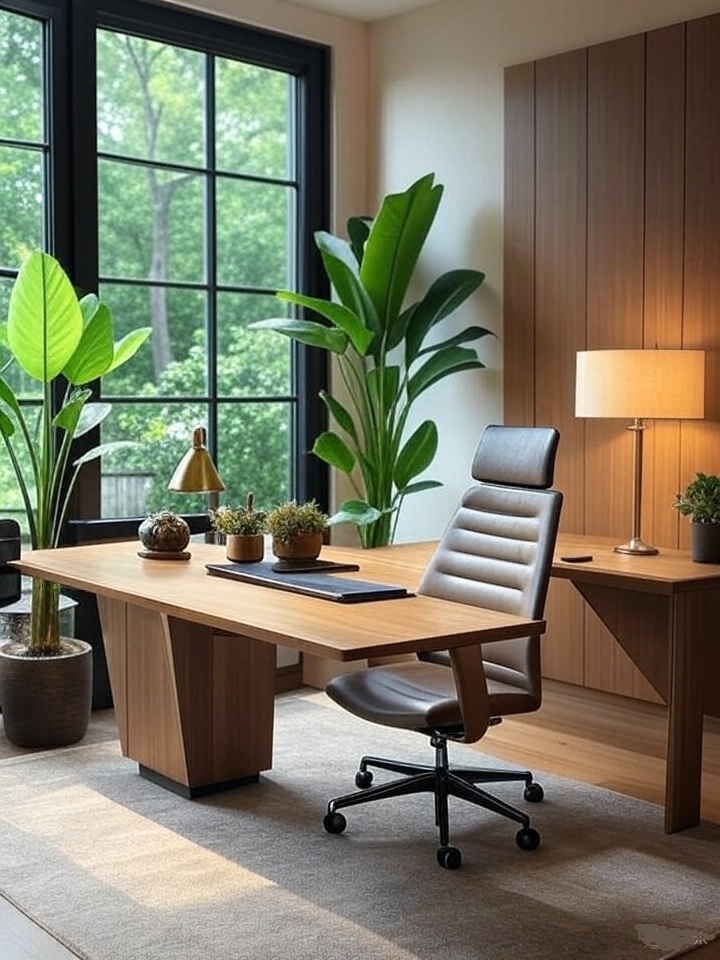
Home office decor needs to make it feel like a comfortable work space. Desks, chairs, and lighting can help you focus and stay organized. Many people set up offices in spare rooms or corners, so decor should fit the size and purpose. This guide looks at options available as of 08:20 PM PDT on Wednesday, July 30, 2025, to help you plan your setup.
I started thinking about my home office decor when I needed a quiet place to work. Adding a desk and good light made it easier to concentrate. This buyer’s guide covers what to consider, types of decor, and tips based on my experience and what’s out there to help you create a functional office.
What to Consider Before Buying
Measure your space first. Note the length, width, and height, especially where the desk will go—common sizes are 5×5 feet or 10×10 feet. Check your budget—decor can range from $50 for a chair to $300 for a desk or shelving unit. Think about how you use the office, like for writing or video calls, to pick the right items.
Look at the room’s setup. Is it a separate room or open area? Does it have natural light? Dark spaces need lamps, and noisy areas need soundproofing. Decide on a style, like minimalist or traditional, to keep things organized. Make sure there’s room for cables and outlets to avoid clutter.
Types of Home Office Decor
Desks are the main piece. Simple desks cost $50-$150, while larger ones with storage are $200-$300. Chairs support long hours—basic ones start at $50, ergonomic ones at $100-$250. Lighting helps focus. Desk lamps cost $20-$60, and overhead lights $30-$100. Pick ones with adjustable brightness.
Storage keeps things tidy. Shelves range from $30-$100, filing cabinets $80-$200, and organizers $10-$30. Wall decor, like calendars or art ($15-$50), adds personality—use frames that match the style. Plants, like peace lilies, improve air for $15-$40. Rugs ($50-$150) soften floors and reduce noise.
Materials and Durability
Materials affect how long decor lasts. Wood desks and shelves are sturdy but need care to avoid scratches—pine or oak work well. Metal frames on chairs or shelves resist wear if coated. Fabric chairs need regular cleaning—look for stain-resistant covers. Plastic organizers are light and cheap but can crack.
Durability depends on use. A busy office needs strong desks and chairs, while a light-use space can use simpler items. Check care labels—some need wiping, others vacuuming. Warranties, if offered, last one year for defects. Test items after setup for stability, especially chairs.
Where to Buy
You can find decor online or in stores. Amazon, Target, and Wayfair offer items from $10 to $300, with reviews to check quality—look for 4-star ratings or higher. Local stores like Office Depot or IKEA let you test products, with prices similar to online. Rugsource or 1StopLighting sell specific items like rugs or lights, often with free shipping over $50-$99.
Second-hand options, like thrift stores or Craigslist, save money—desks or chairs might cost $20-$100. Measure items before buying used to ensure fit. Sales happen in January or July, with 10-20% off, but read terms. Shipping takes one to two weeks online, with returns within 30 days if unused. Call support with site numbers if needed.
Installation and Maintenance
Setup is straightforward. Desks need assembly—follow manuals or hire help for $50-$100. Chairs adjust with included tools. Lamps plug in, but overhead lights need wiring, costing $100-$200 with an electrician. Shelves mount with screws and a level—check weight limits.
Maintenance keeps decor working. Wipe desks and shelves with a damp cloth weekly. Vacuum chairs or rugs monthly. Check cables for wear every few months. Replace worn items like chairs every three to five years. Keep tools handy for loose parts, and organize cables with clips.
Styles and Trends for 2025
As of July 30, 2025, styles focus on function. Minimalist offices use clean lines and white desks, good for focus. Traditional setups favor wood furniture and warm lights. Nature themes with plants or wood accents fit eco-friendly spaces. Bold colors like blue or grey add contrast in larger rooms.
Trends include standing desks ($200-$400) for movement, and cable organizers ($10-$20) for neatness. Acoustic panels ($30-$100) reduce noise in open areas. Check Pinterest for ideas, but match to your space. Avoid overcrowding—pick what supports your work.
Budgeting Tips
Set a budget based on your needs. A basic setup—desk, chair, lamp—costs $150-$300. A full office with storage and rugs might reach $600-$1,000. Prioritize essentials like a chair or desk if funds are low. Buy bundles, like a desk and chair set for $200, to save.
Wait for sales in January or summer for discounts. Buy used desks or chairs to cut costs. Track spending with a list—add 10-15% for installation or repairs. Stick to your plan to avoid overspending.
Things to Watch Out For
Some decor has drawbacks. Cheap chairs may lack support after months. Large desks can overwhelm small spaces—measure carefully. Custom shelves take weeks to arrive and may not return. Poor wiring for lights risks safety—hire pros if unsure.
Online photos can show wrong colors or sizes. Read return policies—some charge fees. Cable clutter can trip you up, so plan outlets. Test setups to avoid fixes or replacements.
Conclusion
Home office decor decoration means planning for work needs and space limits. Desks, chairs, and lighting create a productive area. With the right materials and care, these items last and fit your routine. Use this guide to measure, compare, and choose decor that works for you as of July 30, 2025.
FAQs About Home Office Decor
You need a desk, chair, lighting, and storage like shelves or organizers.
A basic setup costs $150-$300; a full office can be $600-$1,000.
Yes, but protect it from scratches with care or a cover.
Wipe desks and shelves weekly, vacuum chairs, and check cables.
Small items like lamps are DIY. Lighting or shelves may need a pro.
They cost $200-$400 and add movement, but decide if you need one.
Yes, most stores allow returns within 30 days if unused, but check fees.
Try Amazon, Office Depot, Rugsource, or second-hand stores.
Online orders take one to two weeks, depending on stock.
Minimalist, traditional, and nature themes are common, plus standing desks.